
Mindfulness Activities for Kids, Students, and Teens.
Is your brain on overload the way mine is? And your kids’ too? This is why I am looking into mindfulness. To help me with the mental clutter. I’m pretty vigilant about not over committing us to things and I limit the activities that my kids can be enrolled in.
Still, sometimes we’re on overload and could benefit from mindfulness. And mindfulness activities are something that the whole family can do. Here are some free mindfulness activities for kids and teens.
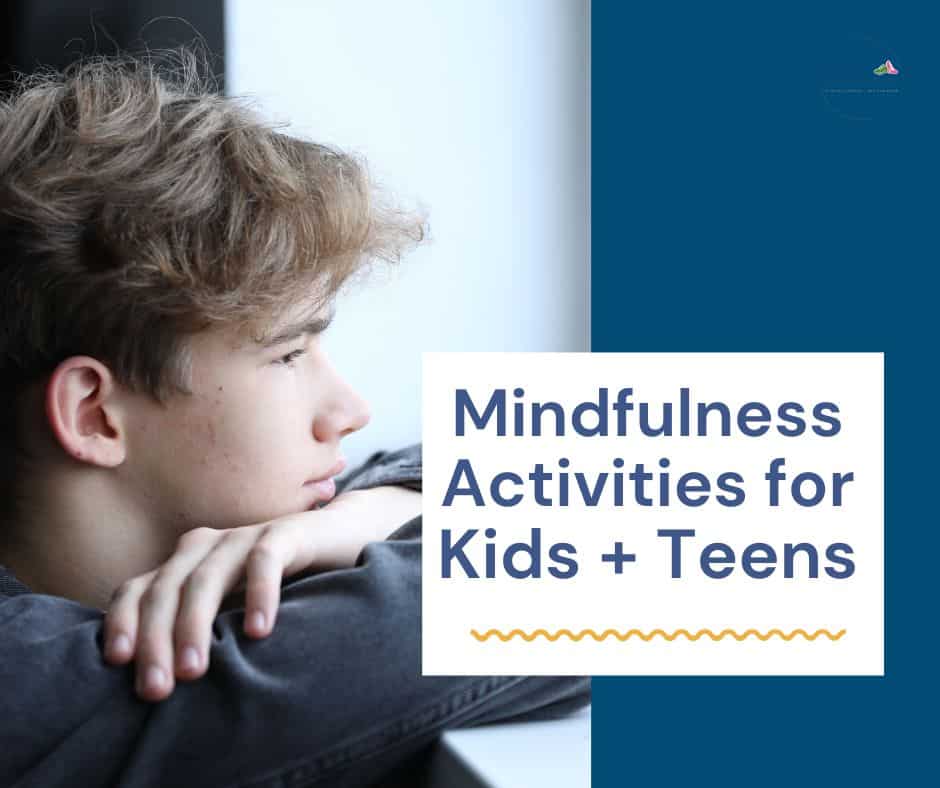
Mindfulness Activities for Kids
There are actual studies showing that it can help kids with various disabilities too. I’ve been interested in this for a while but am just now getting around to reading about it.
Mindfulness has ancient roots and is derived from Buddhism. The modern day version is about achieving a mind-body balance. Today we are so fast-paced, asked to do so much with so little, and we have so much information coming at us constantly.
By taking a few minutes each day or each week to do some mindfulness exercises, you can bring about a sense of calm, lower your blood pressure and achieve greater focus.
When we hear the word mindfulness, many of us assume that we’re going to have to go to some yoga or meditation class, right? While yoga and meditation classes are some examples of mindfulness exercises, you can get started today–in your own home, just by reading and practicing a few exercises.
Mindfulness means maintaining a moment-by-moment awareness of our thoughts, feelings, bodily sensations, and surrounding environment.
Benefits of Mindfulness for Teens
Some of the many benefits of mindfulness and conditions it can help:
- anxiety
- emotional regulation
- attention
- executive functioning
- transitions
- self-awareness
That’s pretty cool, right? And, this isn’t just some junk I picked up on the website. The studies came from Harvard. (A reminder– research is promising but mindfulness isn’t a substitute for medical or mental health treatment.)
Quick Mindfulness Activities for Kids
One of the biggest myths about mindfulness is that you need a quiet room, a yoga mat, soft music, and 30 uninterrupted minutes. If you’re a parent or a teacher, you probably laughed a little at that.
The truth is that mindfulness can happen almost anywhere. It can take one minute while you’re waiting in the pickup line, five minutes before homework, or even a few deep breaths before walking into school. Small, consistent moments often work better than trying to schedule one long session each week.
If your child is new to mindfulness, keep it simple. Try one activity each day instead of introducing several at once. There isn’t a “right” way to practice mindfulness. The goal is simply to help your child slow down, notice what’s happening in the moment, and build coping skills they can use when life feels overwhelming.
The best mindfulness activities are often the simplest. Most take less than five minutes and require little or no preparation.
Try one of these the next time your child needs a reset.
- Take 10 slow, deep breaths.
- Look around and name five things you can see.
- Listen quietly for one minute and count how many different sounds you hear.
- Stretch your arms, legs, and shoulders while paying attention to how your body feels.
- Color a picture without worrying about staying inside the lines.
- Walk outside and find three things you’ve never noticed before.
- Eat one bite of a snack very slowly, noticing its taste, smell, and texture.
- Draw how you’re feeling using only colors and shapes.
- Close your eyes and imagine your favorite peaceful place for one minute.
- Share one thing you’re grateful for before bedtime.
Most children won’t love every activity, and that’s okay. Some prefer movement, while others enjoy drawing, breathing exercises, or simply spending a few quiet moments outdoors. Let your child discover what helps them feel calm and focused.
Mindfulness Activities for Teens
I know, I know. Teens are tricky and peer pressure factors in. They don’t want to be perceived by their peers as doing stuff that is stupid or dorky.
First, you can remind them that no one has to know what they are doing. They can do these activities in the privacy of their own bedroom. Or, if they need a break for some mindful breathing, go to the school bathroom for a minute or two.
It can be as easy as doing some mindful listening and observing.
- Mindful breathing for 30-60 seconds. (or take ten deep breaths)
- Use imagery and focus on a goal or aspiration for 30-60 seconds.
- Finger tracing calming cards (free PDFs in that post, good for all ages)
- Notice five things you see or hear around you and talk about them.
- Coloring pages or “color your feelings.” And yes, there are many coloring pages for adults or teens.
- Draw your feelings.
- Think of three people you wish you could see or talk to right now, discuss.
- Mindful eating at meals. Need something to talk about while eating? Talk about what you’re eating.
- Yoga of course. And, I have some free printable yoga cards that are perfect for beginners.
The truth is that mindfulness can happen almost anywhere. It can take one minute while you’re waiting in the pickup line, five minutes before homework, or even a few deep breaths before walking into school. Small, consistent moments often work better than trying to schedule one long session each week.
Coloring Mindful Activities for Kids
I have many sets of free coloring pages here on the site, perfect for all ages.
- Pokemon Coloring Pages
- Coloring Pages for Teens (includes things like mandalas)
I also have free coloring pages for almost every holiday, so you can do a search on this site if you want to find more free coloring pages.
Mindful Breathing for Kids
I have several other printable mindful breathing activities. Usually these are for a younger child. Or for a teen whose skill set is such that they cannot visualize moving their finger in a specific pattern, and need a worksheet to follow.
- Triangle breathing
- Star breathing technique
- 5 Finger Breathing Technique – this one is great for teen mindfulness activities because it doesn’t require them to carry anything.
- Finger Tracing is another popular mindfulness activity that is often paired with mindful breathing
Mindfulness Activities for the Classroom
Teachers know that sometimes the entire class needs a reset. Maybe everyone is coming in from recess wound up, it’s right before a test, or it’s one of those afternoons where no one seems able to focus. A few minutes of mindfulness can help students transition back to learning without taking much time away from instruction.
Make sure that you have calming classroom decor, and maybe even a calm down corner. Neither of these options has to be expensive. There are many free and cheap ideas in those posts. Make sure your classroom is free of visual clutter, as that can create the opposite of calm.
You don’t need expensive programs or special equipment, either. Simple activities often work best.
Here are a few classroom-friendly mindfulness activities to try:
- Start the day with one minute of quiet breathing.
- Have students do a quick body stretch before beginning independent work.
- Listen quietly for 30 seconds and identify every sound in the room.
- Turn off the lights for a one-minute “quiet reset.”
- Play soft instrumental or nature sounds during independent work.
- Invite students to notice five things they can see around the classroom.
- Add a Calm Down Corner where students can regulate their emotions before returning to class.
Remember that mindfulness isn’t about expecting students to sit perfectly still or be silent. The goal is to help children recognize when they’re becoming overwhelmed and give them simple strategies to regain focus. Even a two-minute mindfulness break can make the transition back to learning a little smoother for everyone.
Mindfulness During Meltdowns or Big Feelings
Let’s set realistic expectations: mindfulness isn’t going to stop a meltdown that’s already happening. When a child is completely overwhelmed, they’re usually not in a place where they can focus on breathing exercises or guided imagery.
Instead, think of mindfulness as a skill that helps children recognize their feelings earlier and gives them tools to calm themselves before emotions become too big.
If your child is beginning to feel frustrated, anxious, or overstimulated, try one of these simple activities:
- Take ten slow breaths together.
- Practice Five Finger Breathing.
- Name five things you can see, four you can touch, three you can hear, two you can smell, and one you can taste.
- Squeeze a stress ball or fidget while focusing on the sensation.
- Sit quietly with calming music or nature sounds.
- Take a short walk outside and notice what you see and hear.
- Color, draw, or write about the feeling instead of trying to talk through it immediately.
Every child is different. Some need movement, while others need quiet. The important thing is to practice these strategies when your child is calm, so they’ll be familiar when big feelings start to build. Mindfulness isn’t about preventing every meltdown, it’s about helping children gradually build emotional regulation skills over time.
Can Coloring Be a Mindfulness Activity?
Short answer….absolutely! And that is why I am so often sharing all kinds of Free PDF Coloring Pages to download and print.
In fact, coloring is one of the easiest ways to introduce mindfulness to kids because it doesn’t feel like a lesson.
When children color, they naturally slow down. They focus on choosing colors, staying with the activity, and paying attention to what they’re creating instead of worrying about what happened earlier or what’s coming next. That’s mindfulness in action.
Coloring can also help children who aren’t ready for traditional meditation or breathing exercises. Some kids simply regulate better when their hands are busy.
There isn’t a “right” way to do mindful coloring. Encourage your child to color slowly, notice the colors they’re choosing, and enjoy the process instead of rushing to finish the page.
If your child enjoys coloring, I have plenty of free printable coloring pages here on the site, including holiday-themed pages, Pokémon coloring pages, and coloring pages designed especially for older kids and teens. It’s a simple, low-prep activity that can help children relax while encouraging creativity and focus.
Remember that mindfulness isn’t about creating perfectly calm children. (If you figure out how to do that, let the rest of us know.) It’s about giving kids practical tools they can use when they feel overwhelmed, frustrated, anxious, or overstimulated. Even practicing one or two of these mindfulness activities for a few minutes each day can help children build emotional awareness and self-regulation skills over time.
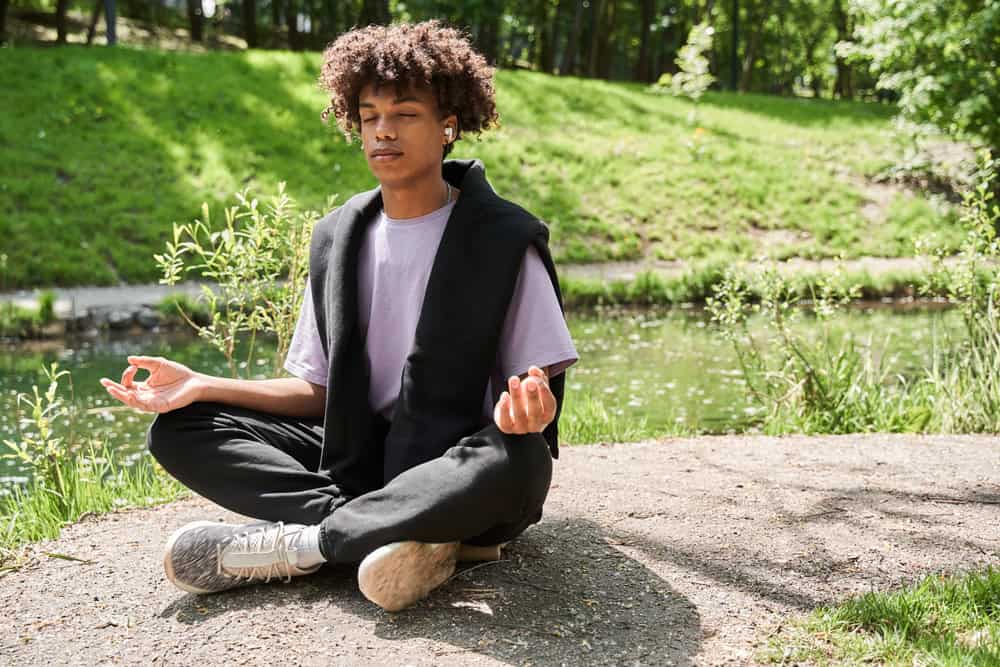
Mindfulness Ideas for All Ages
- Coping Skills Coloring Pages (26 free PDF sheets)
- How to Calm Yourself Down (8 strategies for any environment)
- Mental Health Planner and Journal (Free downloadable PDF)
- Mindfulness Activities for Kids and Teens (23 fun and practical ideas)
- Mindfulness Coloring Pages (Free printable PDF sheets)
- Positive Self-Talk Worksheets (15 free pages for kids and adults)