School Refusal: Parents Share What Worked to Get their Child Back to School.
When your child is refusing school, people have a lot of opinions. “They just need to go.”
“You have to be consistent.” “The school is doing everything they can.”
But when you actually listen to parents living this day in and day out, a very different picture emerges. This isn’t about willpower or parenting style. It’s about kids who are overwhelmed, dysregulated, misunderstood, or unsupported, and families trying to hold everything together while being told to just “get them to school.”
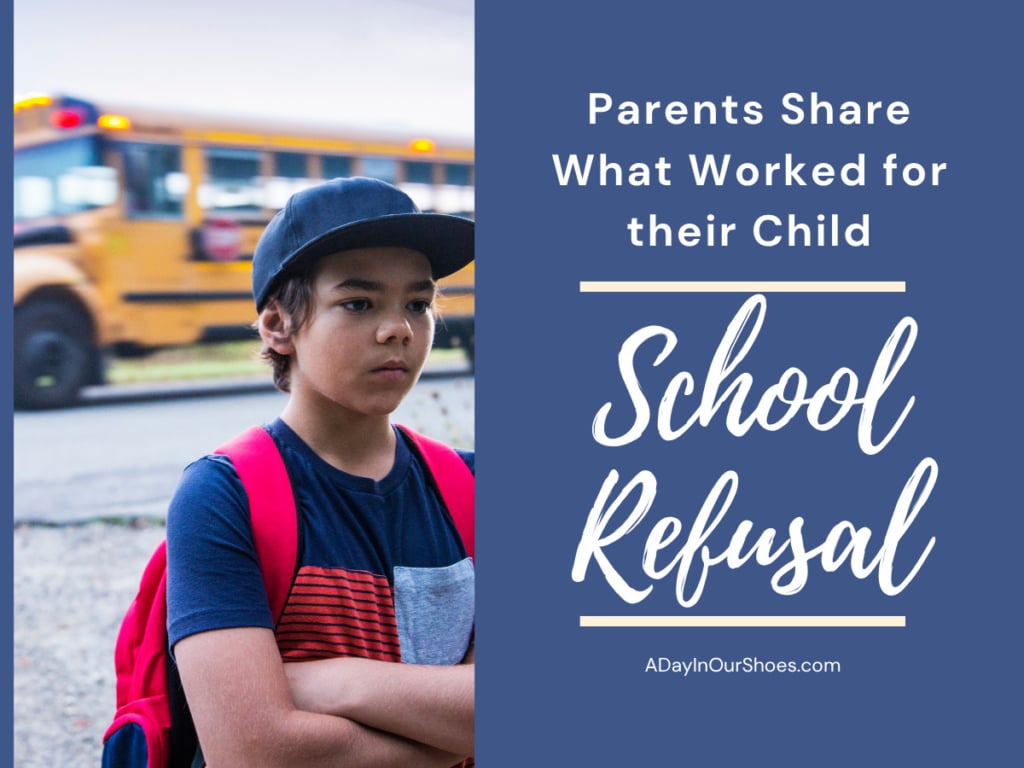
So I asked parents a simple question: what would actually need to change for your child to return to school?
Their answers weren’t vague. They were specific, thoughtful, and—honestly—very consistent.
If you’re new to school refusal, start here.
Safety, Trust, and Emotional Support
- A child feeling safe, heard, and believed at school
- A trusted adult available consistently throughout the day
- Staff trained in anxiety, trauma, de-escalation, and neurodiversity
- A non-punitive, low-demand approach (not force or pressure)
- A trauma-informed and neuroaffirming school culture
- Consistency from staff (following through on what they say)
- Rebuilding trust after it’s been broken
Mental Health Support
- Access to meaningful mental health services (not just surface-level)
- Support for anxiety, depression, and burnout
- Counseling both in school and outside of school
- Support that allows kids to stay regulated enough to learn
- Understanding that refusal is often tied to overwhelm, not defiance
Flexibility in Attendance and Scheduling
- Modified or shortened school days
- Gradual return plans (start small, build tolerance)
- Hybrid or virtual options when needed
- Later school start times
- Flexibility for recovery days without punishment
- Alternatives to full-day, all-or-nothing attendance
Academic Fit and Support
- Instruction that matches the child’s actual skill level
- Addressing learning gaps (reading, writing, executive functioning)
- Individualized curriculum or adjusted expectations
- Help with organization, task initiation, and completion
- Reduced overwhelm from make-up work
- Teaching that connects to the child’s interests and strengths
- Access to assistive technology when needed
IEP and School Supports (Actually Implemented)
- IEPs that are followed consistently
- Accommodations that address school refusal directly
- Updated evaluations and accurate present levels of performance
- 1:1 support when needed
- Consistent staff and predictable routines
- Access to sensory spaces and regulation supports
- OT, speech, and other related services when appropriate
Environment and School Experience
- Smaller class sizes or less chaotic classrooms
- A quiet, safe space available when overwhelmed
- Protection from bullying and unsafe peer interactions
- A school environment that feels welcoming, not adversarial
- Opportunities for movement, breaks, and regulation
- A calmer, more predictable school day
Relationship Between School and Family
- Clear, honest, consistent communication between home and school
- A collaborative approach, not blame or dismissal
- Schools that listen to parent concerns and take them seriously
- Alignment between staff so parents aren’t getting mixed messages
- Support navigating attendance expectations without threats
Addressing the Root Cause
- Identifying why the refusal is happening (not guessing)
- Looking at refusal as a signal of unmet needs, not behavior to fix
- Connecting refusal to:
- Anxiety
- Learning struggles
- Sensory needs
- Trauma
- Social challenges
- Using data and observation—not assumptions
Motivation and Engagement
- Helping the child see value or purpose in school
- Opportunities to engage in interests or preferred activities (regularly, not just as a reward)
- Making learning feel relevant and achievable
- Building confidence so the child believes they can succeed
Consistency and Predictability
- Predictable routines and expectations
- Consistent staff and supports
- Clear plans for:
- Mornings
- Transitions
- Overwhelming moments
- Following through on agreed supports every day
Support Beyond School
- Access to services outside of school (therapy, medical care)
- Support for families who cannot access or afford services
- Help managing:
- Sleep
- Routines
- Emotional regulation at home
- Community-based supports when needed
If you read through this list, you’ll notice a pattern. Kids don’t return to school because of pressure, consequences, or lectures. They return when school becomes a place they can tolerate—and eventually, a place they can succeed.
And that doesn’t happen by accident. It happens when the right supports are in place, when adults are aligned, and when someone is willing to look beyond behavior and ask, “What is this child telling us?”
You may not be able to get all of this at once. Most families can’t. But you can start somewhere. You can take pieces of this list and turn them into requests, conversations, and documentation. Because when you shift the focus from “getting them to go” to “making it possible for them to be there,” that’s when things start to change.