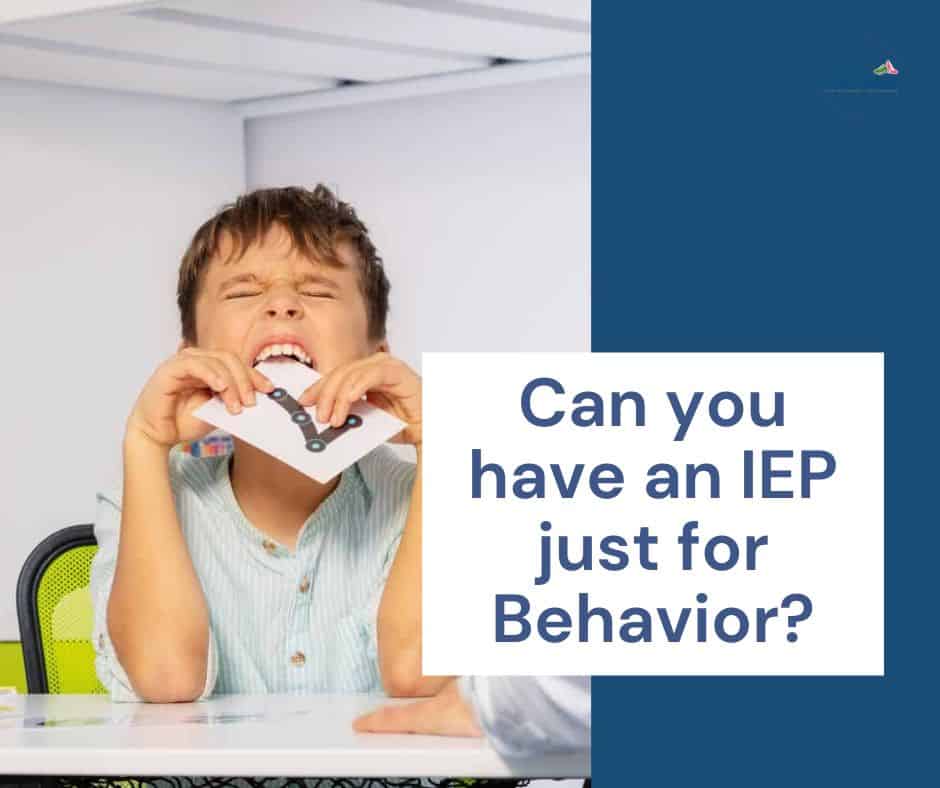
Can You Have an IEP for Behavior Only? What Parents and Teachers Need to Know.
Yes, students can have an IEP just for behavior….and in many cases, they should. I will explain IEP eligibility for behavior, special factors, BIPs, and how skill deficits (academic or emotional) often drive challenging behavior. Learn what makes a behavior-focused IEP different, and what supports should be included to help students succeed.
You will also find a comprehensive list of complementary articles at the end of this one. IEP students having behaviors at school is a complex topic and is too much to address in one post.
Most popular related articles: What to Do When Your Child Keeps Getting Sent Home for Behaviors and Why Most Behavior Plans Fail.
Can you have an IEP for behavior?
Absolutely, yes, a student can have an IEP for behavior only.
Under the Individuals with Disabilities Education Act (IDEA), if a student’s behavior interferes with their learning or the learning of others, the IEP team is legally required to address it. This may include:
- Specific behavior IEP goals
- A Behavior Intervention Plan (BIP)
- Positive behavior supports
- Counseling or social skills instruction
- Accommodations to reduce behavioral triggers
A student doesn’t need to have a diagnosis like ADHD or autism to qualify. If behavior is a significant barrier to accessing or benefiting from their education, and they meet eligibility criteria under one of IDEA’s categories (such as Emotional Disturbance or OHI), they may qualify for an IEP with a behavioral focus.
In short: yes, an IEP can absolutely be created to address behavior.
What is IEP Eligibility for Behavior?
IEP eligibility for behavior isn’t based on just one form or checklist—it’s a full special education evaluation process under IDEA. While a Functional Behavior Assessment (FBA) is often part of the puzzle, it’s not enough on its own to determine IEP eligibility.
To qualify for an IEP focused on behavior, a student must meet two key criteria:
- They must have a disability under one of IDEA’s categories—common, but not absolute:
- Emotional Disturbance (ED)
- Other Health Impairment (OHI) (often used for ADHD)
- Autism
- The behavior must negatively impact the child’s access to education—either their own learning or that of others.
The Evaluation Process May Include:
- FBA – to understand the function behind behaviors
- Behavior rating scales (e.g., BASC, Connors)
- Teacher and parent input
- Classroom observations
- Discipline and attendance data
- Psychological or social-emotional assessments
The goal is to gather a comprehensive picture, not just of what the behavior is, but why it’s happening, and how much it interferes with learning.
So no, an FBA alone is not enough to determine IEP eligibility for behavior. It’s a tool, not the whole process.
What Are “IEP Special Factors” and How Do They Apply to Behavior?
When an IEP team is developing or reviewing a student’s IEP, IDEA requires them to consider certain “IEP special factors”—one of which is behavior. Specifically, the law says:
“In the case of a child whose behavior impedes the child’s learning or that of others, the IEP Team must consider the use of positive behavioral interventions and supports, and other strategies, to address that behavior.” (IDEA §300.324(a)(2)(i))
This isn’t optional. If a student’s behavior is getting in the way of learning, the IEP team must address it. That may include:
- Behavior goals
- A Behavior Intervention Plan (BIP)
- Counseling IEP Supports or social skills support
- Accommodations to reduce triggers
- Supportive adult responses or classroom strategies
Unfortunately, this part of the law is often overlooked. Many IEPs don’t reflect the level of behavior support a student truly needs. Or schools may rely solely on consequences, without teaching the skills the student is missing.
But the “special factors” requirement gives parents and advocates a strong, legal foothold to ask: How is the team addressing behavior through positive interventions, not just discipline?
If your child’s behavior is interfering with learning and the IEP doesn’t contain goals, strategies, or a BIP, it’s not complete. The IEP team is required to take behavior seriously and to do so proactively, not reactively.
Challenging Behavior Is Often a Skills Deficit, Not Defiance
When a student consistently struggles with behavior at school, it’s easy for the behavior to be labeled as “non-compliant” or “oppositional.” But in most cases, challenging behavior isn’t about refusal, it’s about lagging skills. That means the student isn’t choosing to act out; they’re lacking the skills to respond differently.
For example, a student who melts down during transitions might not yet have the emotional regulation skills to handle sudden changes. A child who shouts out in class might lack impulse control or flexible thinking. And students who seem to “shut down” or refuse tasks may be overwhelmed by anxiety or unable to ask for help appropriately.
This approach is rooted in the work of experts like Dr. Ross Greene, who emphasizes that “kids do well if they can.” In other words, when students have the skills to manage frustration, follow directions, and navigate social situations, they usually do. So when behavior is disruptive or concerning, the first question shouldn’t be “How do we make them stop?”—it should be “What skill is missing?”
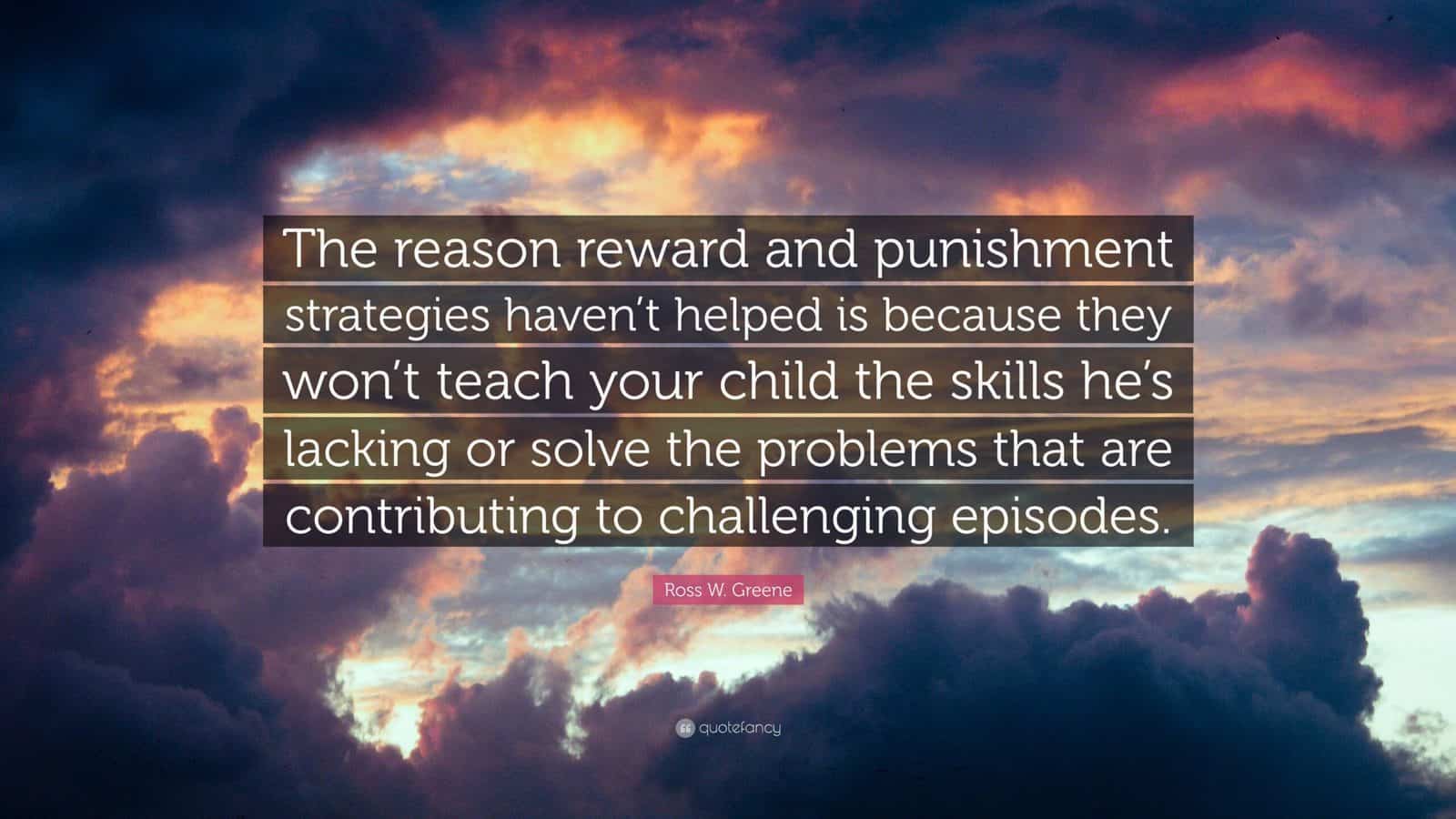
Understanding behavior as a skills deficit—not a character flaw—changes how we support students. Instead of punishing behaviors, we can teach replacement behaviors, provide supports, and build the student’s capacity to succeed. That’s what an effective behavior-focused IEP is all about.
FBAs and BIPs should include functional replacement behaviors for aggression in behavior plans that are measurable and realistic.
Is an IEP for Behavior the Same as a BIP?
No—an IEP and a BIP are not the same thing. An IEP (Individualized Education Program) is a full legal document that outlines the educational supports, services, goals, and accommodations a student needs due to a disability. It may include academic goals, related services, and—if needed—behavior goals or supports.
A Behavior Intervention Plan (BIP), on the other hand, is a specific document created to address patterns of problem behavior. It’s usually based on the findings of a Functional Behavior Assessment (FBA). The BIP outlines:
- The function of the behavior (why it’s happening)
- Prevention strategies
- Replacement behaviors to teach
- Adult responses when the behavior occurs
- A plan for monitoring progress
If a student’s IEP team determines that behavior is interfering with learning, the IEP may include a BIP as part of the overall support plan. But the BIP is just one component, not a replacement for the IEP itself.
Think of it like this:
- IEP = the full educational plan
- BIP = a detailed behavior support strategy that may live inside the IEP
So while they often go together, a BIP is not a substitute for an IEP, and vice versa.
What Makes a Behavior IEP Different from Other IEPs?
While every IEP is individualized, an IEP written to address behavior will often include different kinds of goals, services, and supports than one focused primarily on academics. That’s because the priority isn’t reading scores or math fluency—it’s helping the student build the behavioral and emotional skills they need to access learning.
Here’s what you might see in a behavior-focused IEP that’s less common in others:
- Behavior Goals – Instead of just reading or writing goals, the IEP may include goals for things like emotional regulation, following directions, coping with frustration, or reducing physical/verbal aggression.
- Behavior Intervention Plan (BIP) – A detailed plan based on a Functional Behavior Assessment that outlines why the behavior is happening and how the team will support the student.
- Counseling Services or Social Work Minutes – Many behavior IEPs include related services like school-based counseling, SEL groups, or mental health support.
- Crisis Plans or Safety Plans – If the student is at risk of harming themselves or others, the IEP may include protocols for staff to follow to keep everyone safe.
- Accommodations for Behavior Triggers – This could include preferential seating, the ability to take breaks, access to a calm-down area, or visual reminders of expectations.
- Adult Support – The IEP may specify support from a paraprofessional, behavior technician, or behavior specialist in certain settings or during times of high stress.
- Data Collection Systems – There’s often more day-to-day tracking built into a behavior IEP, such as behavior charts, point systems, or progress logs tied to specific behaviors.
In short, a behavior IEP doesn’t just tell you what the child is struggling with—it lays out exactly how the team plans to teach, support, and respond to help the child grow. It’s about building skills, not just managing outbursts.
When Academics Are the Root of the Behavior
Not all behavior issues start with emotional or behavioral disabilities. In many cases, students act out, shut down, or avoid tasks because they’re struggling academically, and they don’t have the skills or confidence to keep up.
Think about it: if a student is several grade levels behind in reading, it’s not surprising they might refuse to read aloud, disrupt during ELA, or “escape” to the nurse’s office every time it’s time to write a paragraph. The behavior isn’t the root issue, it’s a symptom of unaddressed academic frustration.
In these cases, a behavior-focused IEP shouldn’t just be filled with coping strategies and point systems. It should also include:
- Targeted academic goals in areas where the student is behind
- Instructional accommodations (e.g., reduced written output, access to audiobooks)
- Specialized instruction that helps close academic gaps
- Supportive adult responses that recognize behavior as communication, not willful defiance
Behavior may be what gets the student referred—but academics may be what’s truly causing the stress. That’s why a strong IEP doesn’t treat behavior and academics as separate silos. It connects the dots: if we improve skill deficits, we may reduce the behavior, too.
I hope this gets you started. Even if your child does not have a diagnosis of a disability, I would still ask for evaluations if behaviors are interfering with their education. They may qualify. Read the articles below, because behavior issues quickly turn into discipline issues, and it can be so hard to right the ship!
Understanding Behavior Strategies
- Active Ignoring: Is It a Real Strategy—and Does It Work?
- Can You Have an IEP for Behavior?
- IEP Behavior Intervention Plans: He Has One, So Why Is Everything Still a Mess?
- What to Do When Your Child Keeps Getting Sent Home from School for Behaviors
- My Child Has a Behavior Plan—but He’s Still Getting in Trouble
- Can Students Be Excluded from Field Trips for Behavior? It Depends