
How to Effectively Organize Your Child’s IEP Paperwork for Advocacy Success
Most of us have various stacks of papers and folders around our house, but it is still hard to find what we want when we need them. Am I right? I am so excited about this IEP binder. This is an idea that I have had in my head for quite some time; I just haven’t been able to make it happen until now. You know how hard it is to manage IEP paperwork.
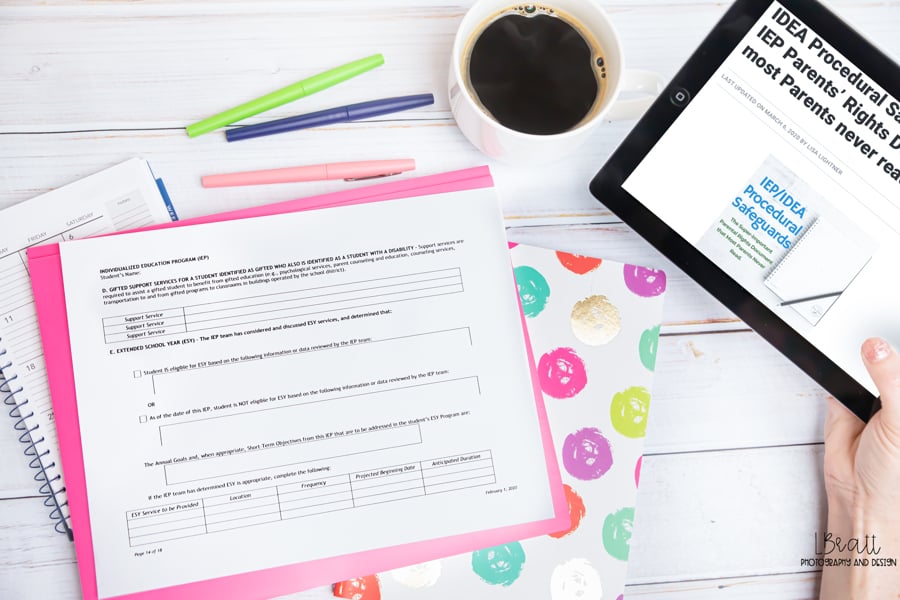
If you struggle with IEP organization, then this is for you.
I searched high and low for something like this, and it didn’t exist. I struggled to find the best way to organize IEP paperwork, and I think I may have found it. IEP organization does not have to be challenging. You can organize your IEP paperwork (and reduce stress!) with a little guidance and direction.
Why IEP Organization is Important
In the blogging world, we have a saying. “Content is king.” The same goes for the IEP World. Your documentation and paper trail are everything. I find many parents struggle to define their kids’ IEP issues. They see the struggles. They know something isn’t right but cannot define it in a manner that gets cooperation from the IEP team.
You Need IEP Data. You Also Need to Teach.
IEP progress monitoring has to get done, but it shouldn’t take hours. You need a system that’s simple enough to actually use in a real classroom.
Get teacher-created, ready-to-use tools that help you track IEP goals, document meaningful progress, and write progress reports faster, without adding more paperwork to your day. Save time, stay compliant.
Or, they ask for things they know are needed but do not have the documentation to make the request.
First, you organize. Then you ask.

Why Organization = Stronger Advocacy
The IEP process is filled with technical language, legal timelines, and a revolving door of school staff. As a parent, you’re not just trying to remember dates. You’re trying to make sense of data, track services, communicate with a team, and keep your child’s needs front and center.
When you have everything in one place, you save time, reduce stress, and show up to meetings confident and informed. And yes, it also makes it much easier to spot when something’s off—like missed service hours or goals that haven’t been updated in years.
That’s why I created the free IEP Binder Planner. It’s a simple, practical PDF tool to help you stay one step ahead. Here’s what’s inside, and how each piece supports your advocacy.
How to Organize your IEP
Here are the easy steps to putting this together.
- Gather everything you have.
- Organize it chronologically.
- Use the pages of the Free IEP Binder as a guide for how you keep it in your binder.
What should be in an IEP Binder?
The free planner pages help you sort and know what to keep. There’s even a checklist of what should be in your binder and how long to keep it.
IEP Binder Checklist with Timelines
Know what to keep and for how long. Never again wonder if you need that old evaluation report or when to toss progress notes.
IEP Timeline Spreadsheet
Every year has important dates—re-evals, annual reviews, parent input requests. This spreadsheet keeps you ahead of the game so nothing falls through the cracks.
Student at a Glance
One page with the most important info about your child—accommodations, diagnoses, likes/dislikes. This is your quick reference sheet that saves time and makes sure no detail gets lost.
School Year at a Glance
Keep IEP due dates, school holidays, and big events in view. No more getting caught off guard by an IEP meeting scheduled the same week as your vacation.
IEP at a Glance or IEP One Sheet
Perfect for introducing your child to new teachers or subs. It’s a short summary of key needs and supports—so the IEP isn’t collecting dust during a teacher’s sick day.
IEP Meeting Worksheet
Plan your talking points, list concerns, jot down requests. If you’ve ever left a meeting and thought “I forgot to say that!”—this one’s for you.
IEP Meeting Notes (Categorized)
Not just blank lines. These templates help you take useful, organized notes during the meeting so you can actually use them later (and send follow-up emails if needed).
IEP Progress Monitoring Templates/Spreadsheet
How are those goals going? This helps you track growth from marking period to marking period, and year to year—so you’re not starting from scratch every time.
Service Hour Delivery Tracker
Use this to make sure your child is getting the services written in the IEP. It’s hard to notice a missed session here or there unless you’re tracking it.
Missed Service Hours Sheet
And when services don’t happen? This gives you a simple way to track them so you can advocate for makeup sessions, also known as compensatory services.
IEP Compensatory Services Worksheet
If you’re negotiating for missed services, you’ll need to show your data. This worksheet keeps your request focused and clear.
Student Vision Statement Workbook
Your child’s IEP should be a roadmap, but you need to define the destination. This guided workbook helps you and your child articulate a meaningful, long-term vision—and ensures the team builds an IEP to match it.
Blank Calendar Template
Customize it to your life. Use this to schedule school meetings, therapies, check-ins, or just keep your IEP tasks in one place.
Who to Call Sheet
No more searching your inbox for Mrs. So-and-So’s phone number. Keep all your school contacts in one easy-access spot.
Quarterly To-Do List Templates
Break the year down into manageable chunks. Helps you stay on top of tasks without feeling overwhelmed.
Monthly and Quarterly Planner Sheets
Stay consistent with check-ins, data collection, and communication. A small amount of effort each month avoids last-minute scrambling in the spring.
IEP Process Flow Chart
Understanding the flow of the IEP process helps you anticipate what’s next. This chart outlines the big picture so you’re not left guessing.
When You’re Organized, You’re Empowered
You don’t need to be perfect. You just need to be ready. When you walk into an IEP meeting with your binder in hand—your notes, your data, your vision—you’re no longer just a participant. You’re an informed, prepared, and effective advocate.
And that makes a difference.
Parent IEP Toolkit
If you really want to put your IEP binder on steroids, consider getting the IEP Toolkit.

The IEP Toolkit for Parents is designed with parent advocates in mind. It is very highly recommended.
Happy organizing!