How to Start a Conversation (When It Feels Impossible)
Let’s just call it what it is—starting a conversation can feel like standing at the edge of a cliff. You know, the social kind. One awkward step and whoosh—there goes your confidence.
Whether you’re autistic, introverted, have social anxiety, or just deeply overthinking your entire existence (hi, it’s me), the idea of talking to someone new—or worse, someone you like—can be downright terrifying.
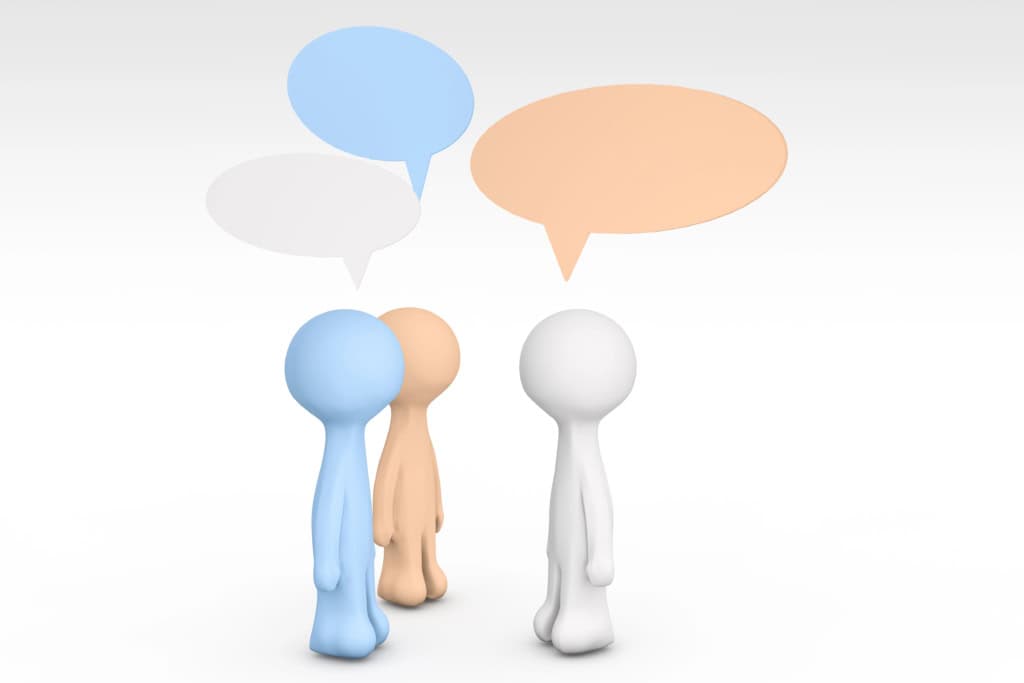
And yet, we know this: humans need social connection. It’s not just something nice to have. Social connection is essential for our mental health and even our longevity. Like, actually living longer. Multiple studies show that having solid relationships can boost your mood, your immune system, and even reduce your risk of premature death. It’s also essential for disabled people to build their social capital.
So yeah. Making friends? Important. But knowing how to start a conversation? That’s where we get stuck.
You Need IEP Data. You Also Need to Teach.
IEP progress monitoring has to get done, but it shouldn’t take hours. You need a system that’s simple enough to actually use in a real classroom.
Get teacher-created, ready-to-use tools that help you track IEP goals, document meaningful progress, and write progress reports faster, without adding more paperwork to your day. Save time, stay compliant.
Before we dive into tips, let’s clear up a common misconception: Starting a conversation doesn’t mean being the loudest person in the room, or suddenly becoming a stand-up comedian. You don’t have to transform into someone you’re not. You just need a few go-to openers and a little courage.
Also, let’s stop shaming people for not having conversation skills, or for thinking that it comes naturally to everyone. It just….doesn’t. And that’s ok!
How to Start a Conversation In Person
Whether you’re at school, a new job, or somewhere terrifying like a school dance (why do those still exist?), here are some low-pressure ways to kick things off.
And you know what, I even have a PDF of questions to start a conversation. There’s nothing wrong with picking a few from the list to have in your back pocket for when you need them.
The Shared Experience Opener
You’re both in the same room, same class, same painfully boring assembly. Use it.
- “This math test was brutal. How’d you do?”
- “I cannot believe she just said that. Do you think she meant it?”
- “Do you know what this meeting is even about?”
Why it works: You’re both experiencing the same thing, so it feels natural—not forced.
The Compliment & Question Combo
This one is magic. Compliment, then ask a related question.
- “I like your hoodie. Where’d you get it?”
- “Your presentation was awesome. How did you stay so calm?”
- “That snack looks good. What is it?”
Why it works: Everyone likes a compliment (as long as it’s not creepy), and it opens the door to an easy follow-up.
Ask for Help (No, Really)
People love being helpful. It makes them feel smart and useful.
- “Hey, do you know what page we’re supposed to be on?”
- “I missed the homework. Do you have a second to catch me up?”
- “Is there a trick to getting this locker open, or do they all hate us?”
Why it works: It gives them a specific reason to talk to you and creates an opportunity for connection.
How to Start a Conversation With Someone You Like
Okay, so you’ve got a crush. Deep breaths. Starting a conversation with someone you like is the same as with anyone else—only your brain is now a puddle of anxiety and overanalysis.
Start simple. Don’t try to be smooth. Try to be sincere.
- “Hey, I saw you in [insert class or club]. You’re really good at [insert activity].”
- “I liked your post about [insert thing they posted]. How’d you get into that?”
- “So… random question—do you like [TV show, band, food]?”
The goal isn’t to impress them with your stunning wit or encyclopedic knowledge of Marvel movies. It’s to make them feel comfortable. That’s it.
How to Start a Conversation Over Text or DM
Let me say it: texting is both a blessing and a curse. You can plan out what you say, but that also means you can spiral into rewriting your message 17 times and still hit send with a mild sense of doom.
Here are some non-weird ways to start a chat:
- Reply to their story or post. “Omg where is that coffee shop?” or “Your dog is a literal model.”
- Send a meme. Memes are the universal love language. Just make sure it’s one they’d find funny.
- Be random. “Okay, I have a controversial food opinion: pineapple belongs on pizza. Agree or disagree?”
The key to texting or DM-ing? Don’t overthink it. You’re just opening a door, not proposing marriage.
But What If They Don’t Respond?
Look, it happens. And it sucks. But it doesn’t mean you’re weird, annoying, or destined to be alone forever. Not everyone’s going to match your vibe. Not everyone is your person. And that’s okay. Try not to take it personally—because most of the time, it’s not personal.
And when you do find those few people who get your humor, respond to your memes, and know when you need a sensory break? Hold onto them tight. That’s the good stuff.
Direct Instruction in Conversation Starting
Direct instruction on how to start a conversation should absolutely be part of a student’s education—especially for students with IEP goals tied to social skills, pragmatics, or emotional regulation. It’s a functional life skill, just like reading or math. And too often, schools either assume kids will just “pick it up,” or they outsource it to a random SEL video once a month.
Ideally, direct instruction should come from a special education teacher, speech-language pathologist (SLP), or school counselor—whoever is best equipped to teach social communication skills and monitor progress. But general ed teachers also need to reinforce these skills daily, because let’s be honest, recess and group projects are where the real-world practice happens. If a student has a goal like “initiate conversation with a peer,” it needs to be explicitly taught, modeled, practiced, and reviewed. Not just assumed.
This means role-playing, sentence starters, visual prompts, even scripts. Yes, scripts. Because for some students, knowing the words to say can be the hardest part—and once they’ve got a few solid openers in their back pocket, everything else gets easier.
Need Help Teaching Social Skills?
If you’re a parent or teacher looking for conversation starters, I’ve got you covered. I have five free PDFs filled with social skills resources and middle school-friendly conversation starters. Perfect for kids (and adults) who need a little boost in the connection department.
Social Skills and Abilities
- Games to Help Teens Learn and Develop Social Skills
- Social Skills IEP Goals for all Ages, including Autism and High School
- Games and Activities to Learn Social Skills: 25 Evidence Based Ideas
- What are Social Awareness Skills?
- How to Start a Conversation (to match IEP goals)
- Icebreaker Games for Teens that are fun and really work!
- Teenager Lacking Social Skills? Try these ideas.