
Paraprofessionals in Special Ed: What They Really Do.
Let’s just say it: special education wouldn’t function without paraprofessionals. Paras, aides, instructional assistants, whatever your district calls them, these folks are the backbone of our inclusive classrooms. And if your child has an IEP, there’s a solid chance a para is one of the most important people in their school day.
So let’s talk about who they are, what they do, and how schools can better support them (and our kids in the process).
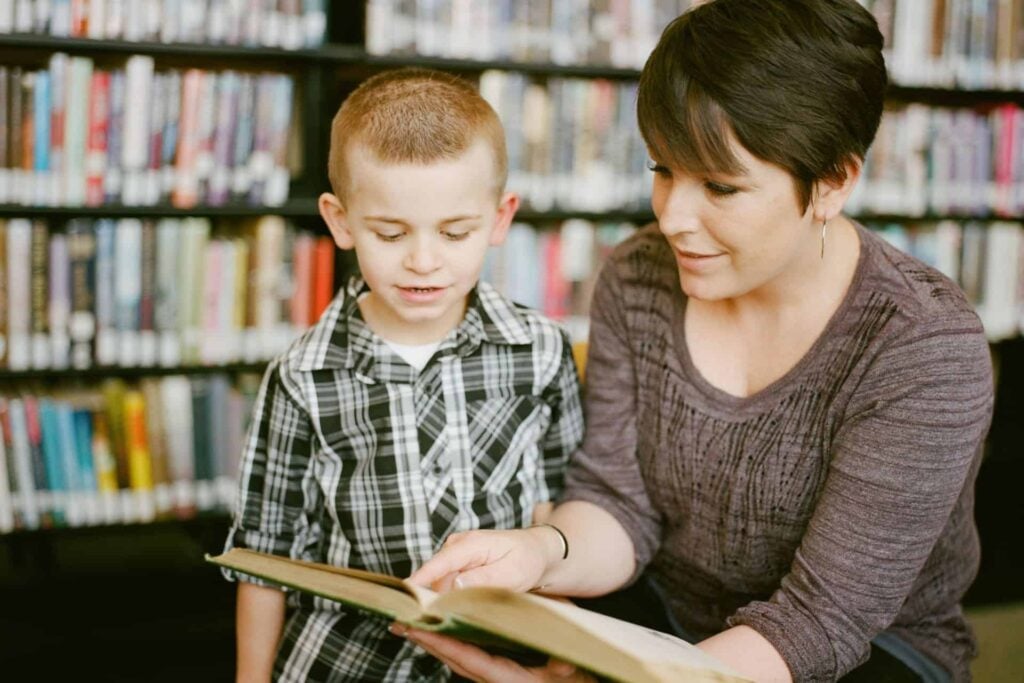
What is a Paraprofessional, Exactly?
A paraprofessional is an educational support staff member who works under the supervision of a certified teacher. They assist students—especially those with disabilities—in navigating their school day successfully.
They may be in the classroom, in the hallway, at lunch, on the bus, or all of the above. And unlike most classroom visitors or occasional push-in support, paras are there. Day in, day out. Observing, redirecting, encouraging, de-escalating, and often doing a million little things that never make it into the IEP yet are completely essential to a child’s ability to learn.
Paraprofessional vs. Aide vs. Instructional Assistant
Paraprofessional
This is the most formal, umbrella term. It’s often the one used in federal and state laws, including IDEA and ESSA (Every Student Succeeds Act). A paraprofessional is any school employee who provides instructional or non-instructional support under the supervision of a certified teacher.
- Used in IEPs, legislation, official job titles
- May require certification or specific training (depending on the state)
- Can include academic support, behavior intervention, or personal care
Aide
This is a more casual or older term, but still common in many schools. An aide usually refers to someone helping out in the classroom, either with instruction or supervision.
- May or may not be considered a “highly qualified” paraprofessional under ESSA
- Sometimes used to describe general classroom helpers (not just special ed)
Instructional Assistant (IA)
This term is typically used to emphasize that the aide/para is involved in direct instruction — not just watching kids or helping them transition.
- Usually means they’re working more closely on academics
- Common title in districts that want to highlight their role in learning (not just caregiving)
So what’s the real difference?
Legally and professionally, “paraprofessional” is the most inclusive and accurate term. The others (aide, IA) are more about local terminology and job descriptions, but they all fall under the para umbrella.
In practice, the roles and responsibilities may be identical and it often comes down to how the district writes the job description.
Why Paraprofessionals Matter in Special Education
Paras are often the difference between access and exclusion. Between a child staying in gen ed or being pushed into a more restrictive environment.
Here’s just some of what they do:
- Help implement IEPs by supporting accommodations, modifications, and behavior goals and plans
- Reinforce learning in real-time with prompts, guidance, or just an extra adult presence
- Support behavior and emotional regulation so kids can stay in class and learn
- Promote social inclusion by helping students connect with peers
- Provide physical care when needed (toileting, feeding, mobility, medical support)
Let’s put it this way: without paraprofessionals, a whole lot of IEPs would go up in flames.
Key Responsibilities of a Paraprofessional
Here’s what they’re actually doing in the trenches:
1. Providing Classroom Support
While the teacher’s teaching, paras are often prepping materials, setting up visuals, keeping eyes on wandering students, and making sure little fires don’t turn into full-blown emergencies.
2. Supporting IEP Implementation
They’re the ones facilitating breaks, cueing assistive tech, using behavior charts, and following the IEP details that sometimes get glossed over.
3. Managing Behavior
Many paras are the calm during the storm. They de-escalate meltdowns, remind kids of their coping strategies, and sometimes just offer a familiar face when everything else feels hard.
4. Encouraging Social Growth
“Go ask if you can play.” “Let’s remember to take turns.” These social nudges, modeled with care and consistency, help kids build real relationships—something that doesn’t come easily for many.
5. Providing Personal Care
For some students, paras are helping with toileting, feeding, mobility, or even seizure monitoring. It’s skilled, compassionate care—often without much training or pay to match.
Collaboration with the IEP Team
Paraprofessionals are often left out of formal meetings, but they shouldn’t be. They bring insights no one else can. They see patterns. They spot what’s working and what’s not. They can tell you if a goal is realistic or if an accommodation is actually helping.
Schools that value paras include them in:
- Progress monitoring
- Goal planning
- Daily adjustments to supports
- Communication with families (indirectly, but meaningfully)
In short: they make IEPs actually happen.
Challenges Paraprofessionals Face (and Why You Should Care)
Let’s get real. As much as we love paras, the system doesn’t always treat them like the professionals they are. Here’s what they’re up against:
- Too many hats, not enough guidance: From one-on-one aide to hallway monitor to lunch duty without clarity or direction.
- Behavioral challenges without backup: They’re expected to handle behaviors that would stump trained therapists, sometimes solo.
- Minimal professional development: Training is often “watch this 90s video” level. But they’re being asked to support complex disabilities.
- Role ambiguity: Is the para supposed to teach? Observe? Intervene? Depends who you ask.
And let’s not even start on pay. In many districts, it’s barely above minimum wage.
What Schools Can Do to Support Paraprofessionals
Want your paras to thrive and students too? Here’s how schools can do better:
1. Define Roles Clearly
No more “whatever the teacher says” ambiguity. Provide written responsibilities, especially related to specific disabilities and IEP tasks.
Example: A para assigned to a student with autism should know they’re supporting transitions, sensory breaks, and social skills, not just shadowing or “helping out.”
2. Offer Professional Development
Monthly trainings on behavior support, AAC devices, and executive functioning strategies go a long way.
Example: A para trained in how to prompt AAC use is far more helpful to a nonverbal student than one guessing how to “get them to talk.”
3. Encourage Team Collaboration
Teachers and paras should debrief regularly, daily if possible, weekly at minimum. Paras should feel comfortable speaking up.
Example: In a team meeting, the para shares that a student is more focused after a sensory break. The team adds one mid-morning to the daily schedule.
4. Provide the Right Tools
That means assistive tech, visual schedules, communication logs, and actual lesson plans—so paras can do more than wing it.
*Example: If a para supports a blind student, they need access to braille materials or audio formats, not just a pat on the back and “good luck.”
Paraprofessional vs Aide vs Instructional Assistant: What’s the Difference?
| Title | Common Usage | Focus | Qualifications | Legal Recognition |
|---|---|---|---|---|
| Paraprofessional | Formal term used in IEPs, laws, and job titles | Instructional and non-instructional support | May require certification or training under ESSA | Recognized in IDEA, ESSA |
| Aide | Casual or traditional term used in schools | Supervision, assistance, sometimes instructional | Usually minimal (may not require certification) | Often not specified legally |
| Instructional Assistant (IA) | Emphasizes academic support role | Academic-focused classroom support | Varies; sometimes overlaps with para roles | May be included under “para” legally |
FAQs About Paraprofessionals
Q: What are the qualifications for paraprofessionals?
Usually a high school diploma, sometimes college credits or specialized training in special ed. This varies by state.
Q: Are they the same as teachers?
Nope. Paras support the teacher but don’t lead lessons on their own.
Q: Do paras attend IEP meetings?
They can, and should! Especially if they work directly with the student—they have firsthand insight on progress.
Q: Can one para work with multiple students?
Yes. It depends on the setup, needs, and staffing in the school or district.
Paraprofessionals are doing heroic work in classrooms every day, often with little recognition. They’re the glue between the IEP and the real world. If we want inclusion to mean something, and not just be a checkbox on a form. We have to value the people who make it possible.
Parents: get to know your child’s para. Ask for their input. Recognize their impact.
And if you’re an admin or teacher reading this: invest in your paras. Because when you support them, you’re supporting every student they serve.