
Interoception Activities to Help Kids Recognize Body Signals
They’re not my proudest mom moments, but Kevin gets unexpected bruises all the time. Some of them are pretty big, and dark in color. He’s an adult now, but looking back over the past two decades, I can only remember him crying maybe a dozen times.
That’s what high pain threshold and poor interoception can look like. When he was an infant, my whole family called him “the wonderbaby” because he never cried. Like, ever. Turns out, again, that’s his interoception. When his internal sensory stuff is awry–like hungry or upset belly or in pain, he doesn’t get the signal. So, he never complains.
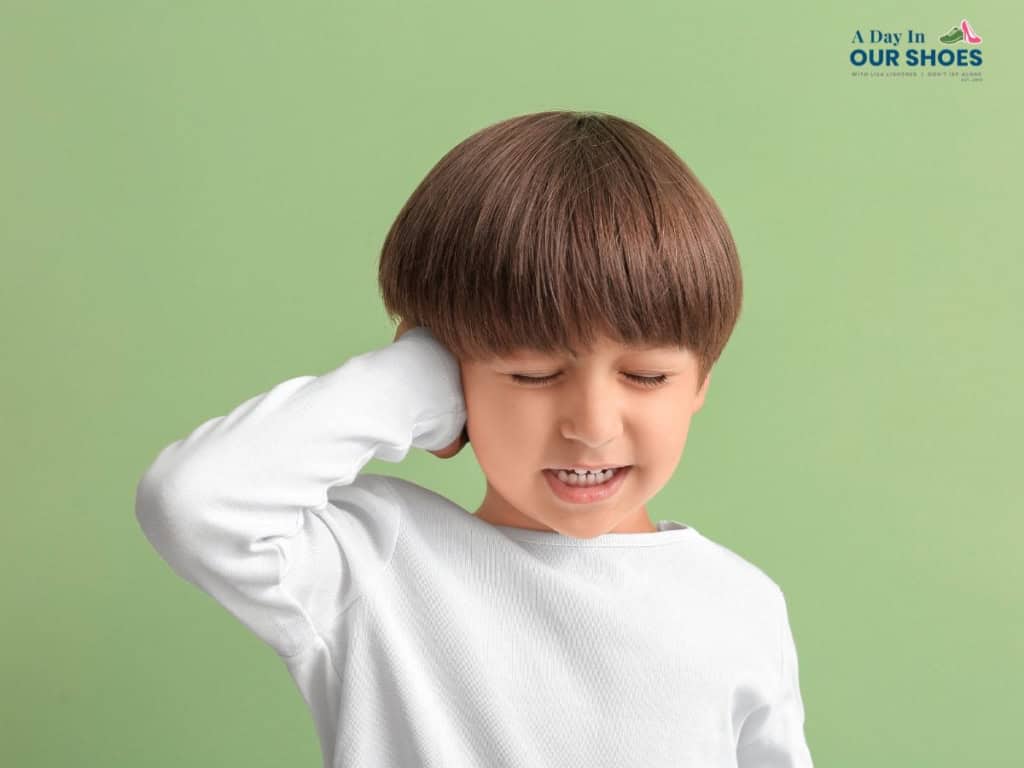
Interoception is the body’s ability to notice and understand internal signals—things like hunger, thirst, needing the bathroom, temperature changes, or the physical sensations connected to emotions. Many autistic children and children with sensory processing differences have difficulty recognizing these signals until they become very strong.
That can lead to situations that feel confusing for both kids and adults. A child may suddenly melt down because they are hungry but didn’t notice the early cues. Another child may have bathroom accidents because they didn’t recognize the body signals that it was time to go.
I have two complementary articles, including What is Interoception and a free PDF activity to explain the 8 senses to kids.
Interoception activities help children build awareness of what their bodies are telling them. The goal is not just to eliminate behaviors, but to help kids notice body signals earlier so they can respond to them in a healthy way.
Below are some practical interoception activities parents, teachers, and therapists can use to help kids practice recognizing internal body signals.
What Interoception Activities Do
Interoception activities focus on helping children notice and interpret body sensations. Over time, these activities can help kids:
- recognize hunger and thirst
- notice when they need the bathroom
- identify body signals connected to emotions
- understand when they are too hot, cold, tired, or uncomfortable
- recognize changes in breathing or heart rate
These activities are about building awareness, not perfection. Many kids need repeated practice to begin connecting body sensations with what they mean.
Hunger and Thirst Awareness Activities
Some children do not recognize hunger or thirst until the feeling becomes very intense. Practicing body awareness around eating and drinking can help kids learn to identify these signals earlier.
- Hunger scale check-ins: Before meals or snacks, ask children to rate their hunger level. Younger kids might use simple terms like “not hungry,” “a little hungry,” or “very hungry.”
- Snack check-ins: Before eating, ask questions like, “What does your stomach feel like right now?” After eating, ask how their body feels again.
- Water breaks with body awareness: When kids drink water, ask them to notice how their mouth, throat, or stomach feels before and after drinking.
- Energy conversations: Talk about how the body feels when it needs food. Kids may notice tiredness, difficulty focusing, or irritability when they are hungry.
Bathroom Awareness Activities
Interoception plays an important role in toileting. Some children simply do not recognize the early signals that they need to use the bathroom.
- Regular body check-ins: Have children pause periodically and ask themselves if their body is giving them signals that they need the bathroom.
- Talking about body signals: Teach children to recognize sensations such as pressure, discomfort, or fullness in the lower stomach.
- Bathroom routine practice: Scheduled bathroom breaks can help children begin to notice patterns between body sensations and using the bathroom. I have another article on Toilet Protocols for an IEP that may help with this.
- Body signal visuals: Visual charts showing body sensations can help kids connect internal feelings with actions.
Body Check-In Activities
Body check-ins are simple exercises that help children notice what is happening inside their bodies.
- Body scans: Guide kids through noticing sensations from head to toe. Ask questions like: “How does your stomach feel?” or “What do you notice in your chest?”
- Heartbeat awareness: After jumping, running, or climbing, ask children to feel their heartbeat and notice how it changes after activity.
- Movement and pause: Have kids move their bodies and then pause to notice breathing, heart rate, and muscle sensations.
- Body signal journaling: Older kids may benefit from drawing or writing about what their body feels like during different parts of the day. I have a free mindfulness journal for kids PDF on the site, that you may wish to use.
Emotional Body Signal Activities
Emotions create physical sensations in the body. Helping children notice these signals can support emotional regulation.
- Emotion-body mapping: Ask children where they feel emotions in their bodies. For example, anxiety might feel like a tight stomach or fast heartbeat.
- Feelings thermometer: Use a visual scale to help kids describe how strong an emotion feels in their body. I have free Feelings Coloring Pages that are a great complement to this.
- Breathing awareness: Help children notice how their breathing changes when they feel calm, excited, or upset. I have several breathing activity worksheets that can work with this and help kids focus on breathing.
- Early stress signal identification: Teach kids to recognize early body signals of stress, such as muscle tension, stomach discomfort, or faster breathing.
Temperature Awareness Activities
Some children have difficulty recognizing when they are too hot or too cold.
- Hot and cold comparisons: Talk about how the body feels in warm and cool environments.
- Clothing comfort check-ins: Ask children if their body feels warm, cold, or comfortable in their clothing.
- Outdoor body awareness breaks: During outdoor activities, pause and ask kids to notice how their body feels in the temperature.
Tips for Parents and Teachers
Helping children develop interoception skills takes time and practice. A few strategies can help support this learning.
Talk about body sensations during everyday routines. For example, mention when you feel thirsty, tired, or hungry. Model describing body signals so children learn the language for these sensations.
Look for patterns in behavior. A child who becomes irritable at the same time every day may be responding to hunger or fatigue. Encourage children to pause and notice what their body feels like during different activities.
When Interoception Activities May Be Helpful
Parents and teachers often start exploring interoception when they notice patterns such as:
- frequent bathroom accidents
- sudden emotional outbursts
- difficulty recognizing hunger or thirst
- high pain tolerance
- trouble describing physical discomfort
Interoception activities can help children begin connecting body sensations with what their bodies need.
Helping Kids Learn Body Awareness
Interoception skills develop gradually. Many children need support learning to recognize and interpret internal body signals.
By talking about body sensations, noticing patterns, and practicing simple awareness activities, adults can help children better understand what their bodies are telling them. Over time, this awareness can support emotional regulation, communication, and everyday independence.