How to Choose Books for Preschoolers
Books are one of the best gifts we can give our kids. For preschoolers especially, reading lays the foundation for language development, early literacy skills, and even social-emotional growth. But walk into any bookstore or library, and it’s easy to feel overwhelmed. With thousands of options and flashy covers, how do you actually know what’s good?
Let’s break it down: what makes a book right for a preschooler, why it matters, and how to confidently choose books your child will love and learn from. This will not contain any links out to buy books online. My favorite place to get books is as our “Book Barn” which is used books and a fundraiser for the Lions Club. Or, children’s consignment sales.
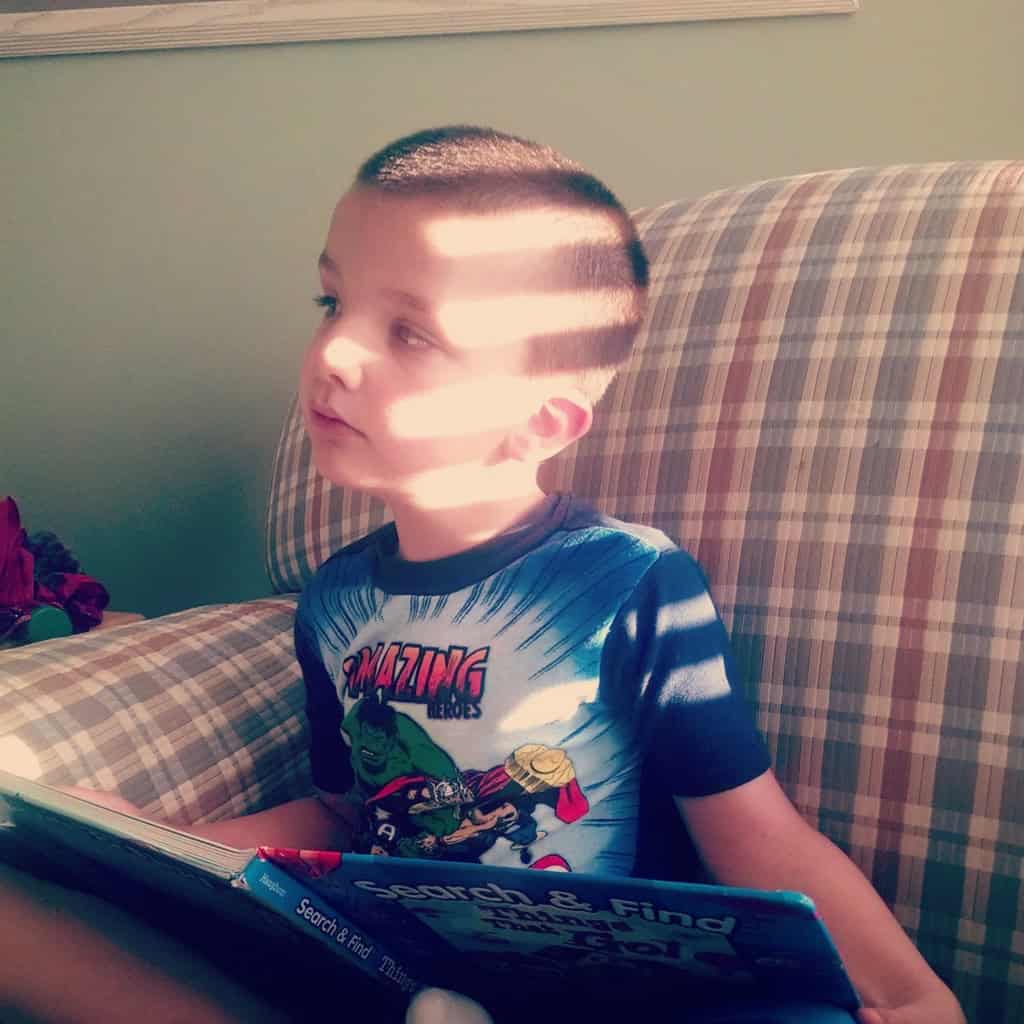
With so many children’s books on the market, it can be overwhelming.
Why Preschool Books Matter So Much
Preschool is a critical time for brain development. Children between the ages of 3 and 5 are learning to:
- Use language more complexly
- Understand emotions and relationships
- Develop memory, attention, and listening skills
- Grasp early math and science concepts
- Build a positive relationship with books and learning
The right books support these areas naturally. Stories help kids process the world around them, expand their vocabulary, and spark imagination. And when children are interested in what they’re reading (or being read to), they’re much more likely to become lifelong readers.
What If Dyslexia Runs in the Family?
If you have a family history of dyslexia, it’s completely natural to feel anxious about your child’s early reading journey. You might wonder: Should I even push books if reading might be hard for them later? The answer is a wholehearted yes. Not because you want to “fix” anything early, but because fostering a positive emotional connection to books can make all the difference.
Kids who struggle to read often begin to associate books with shame, frustration, or failure. But if they’ve already built joyful memories of stories, cozy reading time, and characters they love, that foundation can help carry them through later challenges. Even if decoding words takes longer, their interest in storytelling, vocabulary, and comprehension doesn’t have to lag behind.
And remember: preschool is about language development, not formal reading instruction. Sitting with your child, talking about the pictures, making predictions, and listening to rhyming stories, all of that builds critical pre-literacy skills. These are the same skills that children with dyslexia will need to lean on when they start receiving structured literacy instruction.
In fact, research shows that early exposure to books and spoken language can help mitigate some of the downstream effects of dyslexia, especially when paired with early identification and intervention. So don’t hold back. Read the books. Let your child love stories. Let them explore and ask questions and get silly with rhymes. You’re not just nurturing a reader. You’re nurturing a curious, confident learner.
What Makes a Book “Good” for Preschoolers?
There’s no one-size-fits-all, but here are some key things to look for when choosing books for your preschool-aged child:
Age-Appropriate Content
Preschoolers are just starting to make sense of emotions, relationships, and routines. Look for stories that reflect familiar experiences: going to school, playing with friends, getting a new sibling, or feeling mad or scared. Bonus points if the story models helpful ways to cope with big feelings.
Avoid books that are too abstract, scary, or overly complex. Kids this age need stories that make sense in their world.
Engaging Illustrations
At this age, pictures do more than decorate the page; they tell the story. Look for bold, expressive illustrations that add meaning, show emotions clearly, or even help children predict what might happen next.
Books with visual humor or hidden details are great for encouraging kids to spend time on each page and revisit favorites again and again.
Repetition and Rhyme
Repetition helps kids learn. Books that use repeated phrases, rhymes, or predictable patterns support memory, vocabulary, and even early decoding skills.
Think:
“If You Give a Mouse a Cookie”
“Brown Bear, Brown Bear, What Do You See?”
“We’re Going on a Bear Hunt”
These are fun to read and build important pre-literacy skills.
Simple, Relatable Storylines
Look for books with clear plots and relatable characters. Preschoolers don’t need a lot of subplots or complex backstories. They benefit most from simple narratives with a beginning, middle, and end. Bonus if it includes a problem and solution. This helps build early critical thinking skills.
This is also a good time to start thinking critically about the invisible messages and biases that books may carry; especially for young children who are just beginning to form their understanding of themselves and the world around them. Many of today’s parents remember growing up with a steady stream of books and media that reinforced narrow ideas about gender, race, ability, and even family roles.
Recommended List: Kids’ books about disability inclusion
For example, there was a notable pushback against the “princess culture” by many parents raising girls in the 2000s and 2010s. We had grown up on stories where the girl’s main role was to be beautiful, patient, and eventually rescued. The unspoken message was that women aren’t the ones who drive the action, solve the problem, or succeed on their own terms and many of us internalized that. So as parents, we started looking for stories where girls were scientists, superheroes, and leaders, not just love interests.
The same principle applies to other identities too. Whether it’s the absence of diverse characters, the reinforcement of harmful stereotypes, or subtle cues about who gets to be the hero, young children absorb more than we realize. That’s why it’s important to choose books that reflect a wide range of races, abilities, family structures, and life experiences and to gently talk about those differences when they come up.
By being intentional about what we put on our child’s bookshelf, we’re not just teaching them to read. We’re helping them learn who belongs, who leads, who matters, and how to think critically about the world around them.
Interactive Elements
Books that encourage movement, sound, or participation can be great for this age group. Think:
- Lift-the-flap books
- Books that ask questions or encourage kids to repeat words
- Books with sound effects or sing-song rhythm
These features can keep even the wiggliest preschooler engaged.
Interactive Books: Great for Engagement and Sensory Needs
Interactive books aren’t just fun. They can also be incredibly beneficial for preschoolers with sensory needs or developmental differences. Many children, including those with autism, ADHD, or sensory processing challenges, engage more deeply with books that offer multi-sensory input.
Books with flaps to lift, textures to feel, tabs to pull, or sounds to press can meet a child’s need for tactile and auditory stimulation while also helping them focus. These books allow kids to engage their whole bodies and multiple senses, which can improve attention, regulation, and comprehension. Plus, they offer a built-in way to practice fine motor skills in a natural, low-pressure setting.
If your child is a sensory seeker, they might gravitate toward books that include crinkly pages, mirrors, or even simple cause-and-effect features. If they’re more sensitive, soft textures or calming visuals paired with soothing, rhythmic text can create a comforting reading experience.
The key is to view reading not just as a “sit still and listen” activity, but as a fully interactive, child-led experience that can be tailored to support your preschooler’s unique needs. When books invite movement, exploration, and choice, they become more accessible and more joyful for all kinds of learners.
What If My Child Attends a Special Needs Preschool?
If your child has a preschool IEP, you’re likely already receiving support services like speech therapy, occupational therapy, or behavioral intervention. That’s a great start. But it’s still important to ask how books and literacy are being incorporated into your child’s daily experience.
You can ask questions like:
- How often are children read to individually or in small groups?
- Are books available that reflect a range of developmental and communication levels?
- Do teachers use visual supports or adaptive books to help with comprehension?
- Are there books available in my child’s home language or reflecting their cultural background?
Some children may need books with simplified language, visual cues, or adapted formats (like board books with fewer distractions or books with built-in PECS symbols). Others may benefit from repetitive stories paired with consistent visuals to support language processing or communication goals.
Books can also be part of your child’s IEP. For example, reading activities might be used to target goals in speech, social interaction, or fine motor skills. If your child has a particular interest (trucks, animals, trains), that can guide book selection to build engagement.
Even in a special education setting, literacy should never be an afterthought. It should be individualized, accessible, and joyful. You are your child’s best advocate, so don’t hesitate to speak up if something feels missing from their early reading journey.
Choosing Books for Different Needs and Interests
Every preschooler is different. Here are some helpful categories to think about when picking books:
- Books for active kids: Shorter stories, interactive books, or those with movement prompts
- Books for anxious kids: Gentle books about separation, change, or emotions (e.g., “The Kissing Hand”)
- Books for language delays: Repetitive, simple vocabulary books with lots of pictures and predictable structure
- Books for social-emotional learning: Stories that model sharing, kindness, problem-solving, and empathy
- Books for exploring diversity: Books that reflect a wide range of races, cultures, family structures, and abilities
Tips for Building a Preschool Book Collection
- Start with your child’s interests. Dinosaurs? Trains? Animals? There’s a book for that—and interest = engagement.
- Mix it up. Include fiction and nonfiction, classics and newer titles, silly stories and sweet ones.
- Don’t force it. If your child loses interest, let it go. Keep reading fun.
- Read it again! Yes, even the 400th time. Repetition builds brain connections.
- Visit the library. Try out different books without spending a fortune—and get your child excited to explore.
The best books for preschoolers aren’t necessarily the ones with awards or fancy authors—they’re the ones that connect. If your child laughs, asks questions, or wants to read it again, that book is doing its job.
By choosing books that meet your child where they are emotionally, developmentally, and interest-wise, you’re setting the stage for a love of reading that can last a lifetime.
Raise a Reader!
- What is AR Reading? And what do the Color Levels mean?
- Orton Gillingham curriculum? Is that a thing?
- How to Teach Abstract Sentences to Literal Thinkers
- Tips for Teaching Inflectional Endings or Inflected Endings + Free Worksheet PDF!
- Free Phonics Worksheets including CVC, Dipthongs, Vowels, Blends and More.
- 10 Research-Based Vocabulary Interventions for an IEP or RTI/MTSS
- How to Write a Meaningful IEP for Dyslexia (includes IEP Goals for Dyslexia)
- Phonological Awareness vs Phonemic Awareness: What’s the Difference and What’s the Same?
- 26 Free Alphabet Worksheets for Preschool and Kindergarten
- 20 Common Reading Intervention Programs for Schools (+how to get one on your IEP)
- Reading Comprehension Strategies: How to Improve Reading Comprehension (and then Reading Speed and Fluency)
- 30 Book Reading Challenge for Kids: Free Printable Reading Tracker
- What Is Decoding in Reading? A Simple Explanation
- Is Lindamood Bell Worth the Money?
- 13 Free Summer Reading Programs For Kids
- Dolch Sight Words: Free PDF Lists and Worksheets
- What are Temporal Words? (includes anchor chart)
- Is Your 3rd Grader Struggling? It’s Probably the Matthew Effect in Reading.
- Fry’s First 100 Words | PDF | Printable
- What is a Frayer Model? | Example | Blank Template
- Elkonin Boxes for Dyslexia | Phonemic Awareness | Examples | PDF