10 Unique Bulletin Board Ideas That Inspire and Involve Students
I love walking into a classroom and seeing bulletin boards that do more than just decorate. They tell a story, highlight achievements, and spark curiosity. A well-designed bulletin board can transform a plain wall into an interactive display that draws students in and helps them feel involved.
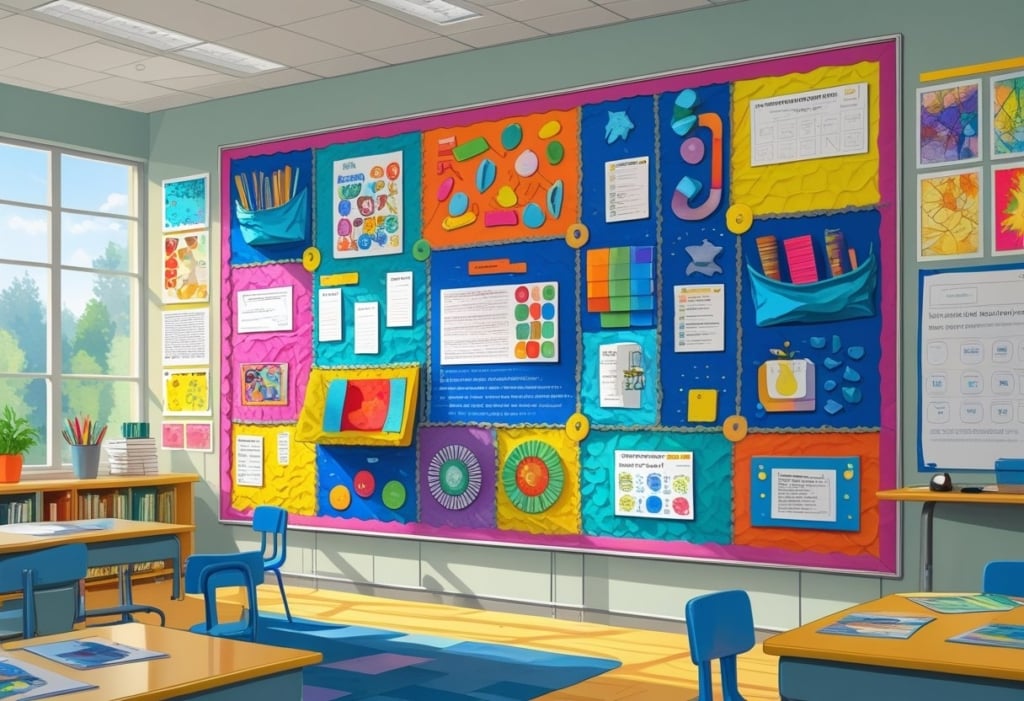
Creating bulletin boards doesn’t have to be stressful. In fact, it can be a rewarding and relaxing way to add personality, structure, and warmth to your classroom. If you’re looking for fresh and practical ways to bring your classroom walls to life, you’re in the right place. Below are some of my favorite bulletin board ideas that are easy to create, easy to update, and most importantly designed to support student engagement.
The Problem with Visual Clutter
Before diving into themes and designs, there’s something important to consider: visual clutter. While bright colors and layered decorations might seem cheerful, they can actually overwhelm some students, especially those with ADHD, autism, anxiety, or sensory processing issues.
Too much visual input can be distracting. A board with too many fonts, colors, or themes can pull attention away from instruction and leave some students feeling overstimulated or anxious. If a student is already working hard just to focus, a chaotic wall behind the teacher isn’t helping.
You Need IEP Data. You Also Need to Teach.
IEP progress monitoring has to get done, but it shouldn’t take hours. You need a system that’s simple enough to actually use in a real classroom.
Get teacher-created, ready-to-use tools that help you track IEP goals, document meaningful progress, and write progress reports faster, without adding more paperwork to your day. Save time, stay compliant.
Here are a few simple ways to reduce visual clutter:
- Stick to a cohesive color palette (2–3 colors max).
- Use solid backgrounds to reduce “visual noise.”
- Limit how many elements are on one board at a time.
- Choose simple, bold fonts over decorative ones.
It doesn’t mean your boards have to be boring. It just means they should be intentional. A clean, calm design helps students process information more easily and feel less overwhelmed in the classroom environment.
Seasonal and Holiday Designs
Changing your bulletin boards with the seasons keeps the classroom fresh and inviting. In the fall, maybe use leaves and pumpkins, asking students to write what they’re thankful for. In the winter, snowflakes and mittens become a backdrop for vocabulary words or artwork.
For holidays, including simple, inclusive themes like heart-shaped compliment cards for Valentine’s Day, or a “100 Days of School” board that students help build over time. These boards aren’t just cute, they help students feel connected to school-wide events and build classroom culture.
| Season/Holiday | Bulletin Board Idea |
|---|---|
| Fall | Thankful Leaves Sharing |
| Winter | Snowy Vocabulary Showcase |
| Valentine’s Day | Compliment Heart Wall |
| Spring | Growth Garden (goals or progress) |
| End of Year | Memory Timeline |
Subject-Specific Inspiration
Linking bulletin boards to your curriculum reinforces daily lessons. When I teach science, I might create a rotating “Did You Know?” fact wall or a display with mini science experiments. In math, a problem-of-the-week board keeps students thinking beyond the textbook.
Language arts offers even more opportunities such as book recommendation walls, “Wow Word” vocabulary boards, or reading logs are all great ways to incorporate literacy into your displays.
Here are some subject-specific board ideas:
- Math: Puzzles, open-ended problems, or progress trackers
- Science: Fact cards, vocabulary, or diagram labeling
- ELA: Book reviews, student writing, or genre spotlights
- Social Studies: Timelines, maps, or student-created biographies
Character Education Themes
Bulletin boards can also reinforce the social-emotional work you’re doing in class. I love using displays like a “Kindness Tree,” where students add leaves for each kind act, or a perseverance board with quotes and student success stories.
Recognition boards are powerful, too. I like having a “Shout-Out” or “Student of the Week” section that highlights effort, behavior, or improvements. These displays build self-esteem and create a sense of community.
If you’re worried about clutter here, keep things simple: one central theme, neutral colors, and plenty of white space can keep these boards focused and effective.
Student Participation Displays
Bulletin boards shouldn’t be just for show—they should be interactive! I love finding ways for students to take ownership of our displays.
One favorite is a “Question of the Week” board. Each Monday, I post a question, and students respond on sticky notes. This gives everyone a voice, especially quieter students.
Another option is “All About Me” posters, where each student gets a week to share their interests, photos, and fun facts. A simple suggestion box is also a great way to gather anonymous input or compliments from students.
| Display Type | Materials | Purpose |
|---|---|---|
| Question of the Week | Sticky notes, pens | Encourage participation & ideas |
| All About Me | Paper, markers, photos | Celebrate student identities |
| Suggestion Box | Slips, small box | Invite feedback & connection |
If visual clutter is a concern, rotate participation displays weekly or designate just one bulletin board for this purpose. That way, you keep things manageable for all learners.
Hands-On Learning Boards
Tactile and interactive boards let students engage with the content in a physical way. Try vocabulary match-up boards using Velcro tabs or yarn for connecting words and definitions. For math, number puzzles or “problem-solving pockets” encourage strategy sharing.
In science, you can post unlabeled diagrams (like plant parts or the water cycle) and have students label them with moveable pieces. These boards are great for kinesthetic learners and make reviewing content feel more like a game than a worksheet.
Visual simplicity is key here too. Make sure interactive elements are clearly labeled, and avoid overcrowding with too many concepts at once.
Goal Tracking and Celebrations
Visual goal tracking helps students stay motivated. One favorite is the “Reading Race” board, where each student moves a little paper car or animal along a path every time they finish a book. Just make sure it’s inclusive for your struggling readers.
For as much as I criticize FBAs and BIPs, the fact is that external rewards can work for a lot of kids. The key? Keep it visible, inclusive, but not overwhelming. Designate a calm corner of the classroom for progress tracking, and use muted tones or consistent formatting to keep it easy on the eyes.
DIY Crafting and Budget Tips
Creating great bulletin boards doesn’t have to cost a fortune or fill up the landfill. There are eco-friendly and budget-conscious materials available.
Eco-Friendly Materials:
- Recycled wrapping paper or newsprint for backgrounds
- Scrap fabric or cardboard for letters
- Reused laminated elements from previous years
- Biodegradable glue or paper fasteners
Budget Tips:
- Dollar store foam sheets, ribbon, and craft paper
- Old cereal boxes as stencil templates
- Homemade borders using strips of colored paper
- Keep a labeled box for reusable decor and extras
Personalization Makes It Meaningful
Personal touches go a long way. Printing student photos or names on cardstock, using their artwork, or letting them write captions and speech bubbles. This not only adds relevance. It makes students feel like the classroom belongs to them. And, hey–to save time, have the students help you assemble the bulletin board. Building a unique classroom bulletin board can be a group project or activity instead of something you’re staying late to do.
To keep it tidy, plan layouts in advance and rotate displays monthly. Let students vote on themes or submit ideas, so the boards reflect our classroom’s evolving personality.
When it comes to bulletin boards, less really can be more. While it’s tempting to go all out with glitter borders and layered backgrounds, a calm, intentional design often creates a more inclusive and focused space for all learners.
Aim for displays that:
- Are interactive and student-centered
- Support academic and emotional goals
- Reduce visual overwhelm
- Reflect your classroom’s unique identity
With thoughtful planning, your bulletin boards can do more than decorate. They can teach, connect, and inspire every student who walks through your door.