Noise Cancelling Headphones for Autism, ADHD, or Anxiety: Audiologists Share Their Top 7 Picks.
The world is a noisy place. Many adults wish they had access to better sound control, so it’s no surprise that children with Autism, ADHD, or anxiety often struggle even more in loud environments.
For some individuals, background noise makes it extremely difficult to process language or focus on what someone is saying. For others, certain sounds or volume levels can quickly become overwhelming and lead to sensory overload.
And sometimes, it isn’t about attention at all — it’s about regulation.
Why Noise-Canceling Headphones Help
Noise-canceling and sound-reducing headphones are becoming more common in public spaces, schools, and workplaces. While wearing them can feel noticeable at first, it’s important to remember that these tools are used across many populations for focus, performance, and emotional regulation.
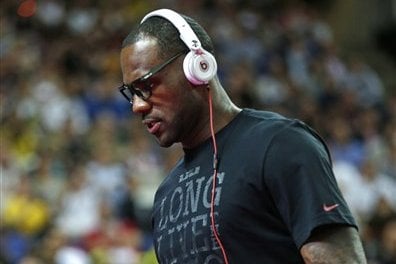
Athletes often wear them to block distractions before competitions. The goal is the same: reducing sensory input so the brain can function more effectively.
When adults are allowed to use tools that help them function at their best, children deserve the same consideration.
If someone takes issue with a child wearing headphones in public, that discomfort belongs to the observer — not the child.
Choosing the Best Headphones for a Child with ADHD or Sensory Sensitivities
Whenever possible, involve the wearer in the decision. Comfort, fit, and appearance all matter. A pair of headphones that looks and feels right is far more likely to be used consistently.
Other things to consider:
- Do you want passive sound reduction or active noise cancellation?
- Will the headphones connect to a device for music or calming sounds?
- What is the return policy if they are uncomfortable?
Reading customer reviews can be helpful, and trying them on in person — when possible — can save frustration later.

Sound Sensitivity and Sensory Overload
When researching headphones, look at how much sound they reduce. Normal conversation averages around 60 decibels. Prolonged exposure to noise above 85 decibels can contribute to hearing damage.
For individuals with ADHD or sensory processing differences, excessive noise can lead to:
- Sensory overload
- Difficulty initiating tasks
- Emotional overwhelm
Reducing sound input can significantly improve regulation and participation.
Noise-Canceling vs. Noise-Isolating Headphones
Noise-isolating headphones reduce sound by creating a physical seal around the ear.
Noise-canceling headphones actively counteract sound waves using technology.
This distinction explains the price difference. Headphones with active noise cancellation and high-quality audio tend to cost more, while simpler models focus solely on sound reduction.
Cost and Insurance Considerations
Quality headphones can be expensive. Higher-end models often perform significantly better than low-cost versions, but many families find a mid-range option that works well within their budget.
Insurance coverage for noise-canceling headphones is uncommon. However, some occupational therapists provide sensory equipment as part of treatment. If you want to explore this option, start by speaking with your child’s OT.
For many families, affordable models in the $20–$40 range are effective enough that insurance appeals are not worth the effort.
Are Earbuds Enough?
Sometimes — and sometimes not.
Earbuds have improved significantly, but their size and fit often limit how much sound they can block. They may work for some teens, but they also present choking hazards for younger children.
If earbuds are not sufficient, an audiologist can create custom-molded ear protection. These are commonly used by musicians who need to protect their hearing while still perceiving specific sounds.
Noise-Canceling Headphones for Autism

These Banz headphones for babies are only $35 right now online. Noise reduction rate: 31 decibels, according to their website.
These can be found at Fun and Function and come in lots of colors. According to their video, noise reduction rate is about 20 decibels.


I’ve included these Blue headphones next because I am so pleased with my Blue microphone for my podcast. All of their stuff is affordable and has a cool retro look to it.
Skull Candy: These cool headphones are shown above on Reese Witherspoon. They have a cool name, a cool logo and their headphones come in a ton of cool colors. Perfect for school kids.
Sol Republic: Above, shown on Michael Phelps. They’re pretty affordable too.

These Master and Dynamic headphones come in affordable to very expensive models. The brown is good if you want them to blend in with hair and not be so noticeable.
Or maybe plain black and brown is not your thing. In that case, check out these from Bose.


Headphones as an IEP Accommodation
Noise-canceling or sound-reducing headphones are a common IEP accommodation. Many students successfully use them at school to support focus and regulation.
A practical tip: consider having one higher-quality pair for home and community use, and a more affordable pair for school in case they are lost or damaged.
You can request headphones as an accommodation through your Parent Concerns Letter.
That’s seven solid options. The right headphones can make noisy environments far more manageable and support regulation, focus, and participation.