How Schools Sometimes Undervalue Private Evaluations (and How to Push Back!)
Let me tell you a story I’ve seen play out dozens of times. A parent comes to me, exhausted and worried, but also hopeful. They’ve spent thousands of dollars on a private evaluation for their child. Maybe from a neuropsychologist, a speech therapist, or an occupational therapist. They walk into the IEP meeting clutching that thick report, believing, “Finally! The school can’t ignore this. They’ll have to see what my child needs now.”
And then…the team nods politely, thanks them for bringing it, and quickly pivots back to their own evaluation. The parent is left thinking, “Wait—did they even read this?” or worse, “Was all that time, money, and energy wasted?”
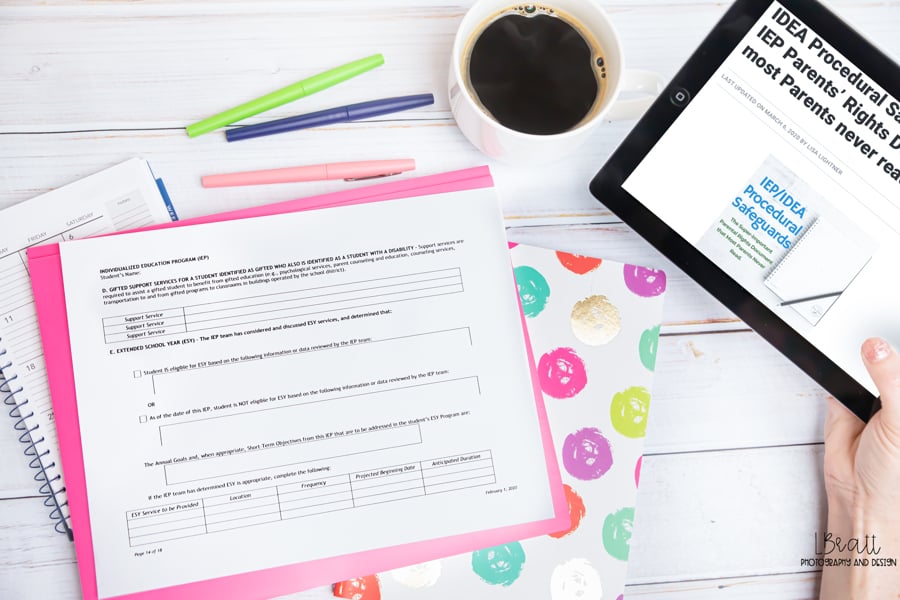
If that feels familiar, you are not alone. I’ve sat in countless IEP meetings where schools undervalue or outright dismiss private evaluations. It’s frustrating and, frankly, disheartening. But here’s the thing: IDEA does not say that the school gets to pick and choose what information “counts.” Evaluations from private providers must at least be considered by the IEP team. Notice I didn’t say “automatically accepted” or “dictate services”—but “considered.” That word matters. independent education evaluations explained can help you understand your rights and the importance of these assessments in the IEP process. They serve as essential tools for parents and educators alike, shedding light on a child’s unique needs. By ensuring these evaluations are given the attention they deserve, families can advocate more effectively for their children’s education.
Why Schools Sometimes Undervalue Private Evaluations
Let’s be real. Private evaluations often paint a more detailed picture of your child’s struggles than a school evaluation. Private evaluators usually have more time, more specialized training, and sometimes a broader scope of tools. Their reports may recommend smaller group instruction, more therapy hours, or accommodations that schools simply don’t have the resources—or budgets—to provide.
So, when the private evaluation is introduced, school teams sometimes feel threatened. They may downplay it with phrases like:
- “That’s not educationally relevant.”
- “We have to follow our own testing.”
- “Private evaluations don’t always align with the school setting.”
These statements can leave parents second-guessing themselves. But most of the time, it’s not about the credibility of the evaluation. It’s about resources, compliance, and yes, money.
What the Law Actually Says
IDEA requires that IEP teams consider all information provided by the parent, which includes private evaluations. “Consider” doesn’t mean “agree with everything,” but it does mean that the evaluation can’t be brushed aside or ignored.
The school is not required to implement every recommendation in a private evaluation, but they must discuss it and document that it was considered. If they don’t, that’s a procedural violation you can address through your procedural safeguards.
How to Push Back Without Burning Bridges
So, what do you do when you’ve brought in a private evaluation and the school seems ready to dismiss it? Here are strategies I’ve used and taught parents for years:
Put it in writing
Send a polite but clear email: “I am submitting this private evaluation from Dr. Smith, dated June 2024, and I ask that it be considered as part of the evaluation process and included in the IEP discussion.”
This creates a paper trail and makes it harder for the school to wave it off.
Ask them to document their response
At the meeting, if the team says, “We don’t think this applies,” respond with:
“Can you please put that in the Prior Written Notice, along with the reasons why?”
That’s your safeguard. Schools don’t always love writing down why they’re dismissing a professional opinion.
Use the “educational relevance” trap to your advantage
If they say, “That’s not educationally relevant,” you can respond: “Can you clarify what you mean by educationally relevant? Because IDEA defines education as including academic and functional needs, and this evaluation speaks directly to [executive functioning, communication, etc.].”
Bring in the evaluator, if possible
Some parents hire the private evaluator to attend the IEP meeting (virtually or in-person). Schools tend to listen more closely when the professional is in the room.
Don’t be afraid to escalate
If you feel like your private evaluation is being dismissed without real consideration, you can request mediation or file a state complaint. Sometimes even mentioning those options gets the team’s attention.
A Personal Note
When my son was younger, I learned this lesson the hard way. I once brought in a private report that laid out clear recommendations, including ABA. The team barely glanced at it before moving on. I went home deflated and honestly a little angry. But that experience taught me to stop treating private evaluations like a “golden ticket” and instead as one piece of evidence in a larger advocacy puzzle.
Now, when I support parents, I remind them: the power isn’t just in the evaluation itself, but in how you use it. It’s about pairing that report with data, keeping everything in writing, and holding the school accountable to consider it.
If you’ve invested in a private evaluation, don’t let it gather dust in a school file. Push for it to be considered, referenced, and used to inform your child’s IEP. Remember, schools may undervalue these reports for reasons that have nothing to do with your child and everything to do with budgets and resources. But you don’t have to accept that dismissal.
Bring the evaluation to the table. Ask questions. Request documentation. And above all, remember…..you are the most consistent advocate for your child. A private evaluation is not wasted effort; it’s another tool in your toolbox. How you wield it is what makes the difference.